Meta Title: Top 10 SEL Tools Schools Use in 2025
Why SEL Tools Matter for Schools in 2025
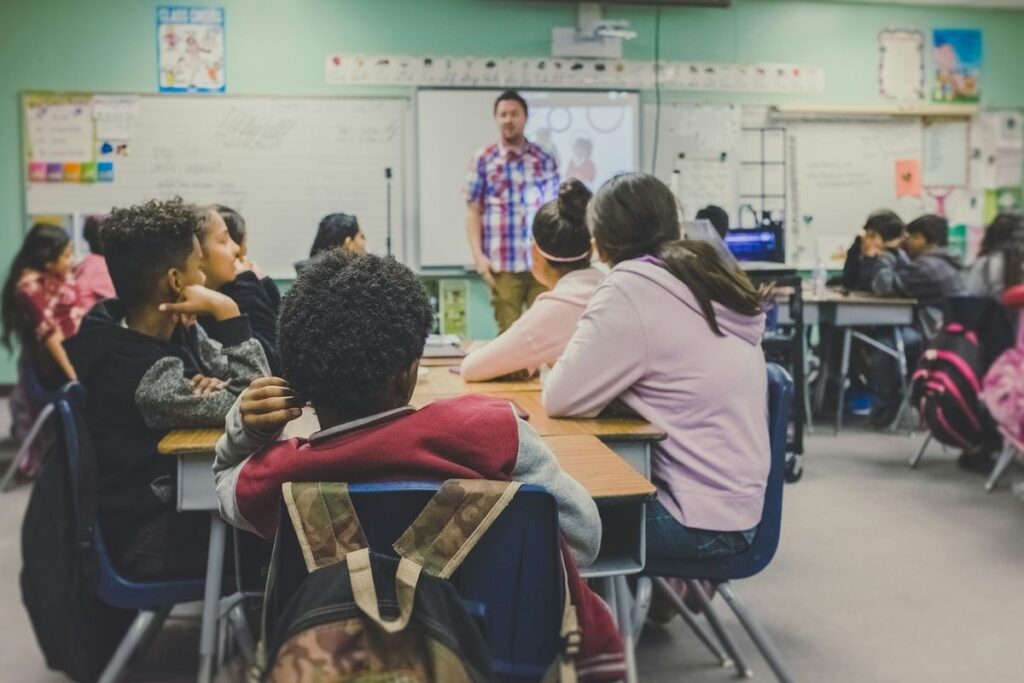
It’s no secret that schools are facing more pressure than ever to support the emotional and mental health of their students. As we move into 2025, the need for effective social-emotional learning (SEL) tools has skyrocketed; for good reason. Students are navigating a complex world where academic success is only part of the picture. Their wellbeing, relationships, and ability to manage emotions play a huge role in their overall growth.
Schools are increasingly recognizing the importance of prioritizing both academic achievement and student wellbeing.
But spotting a student’s struggles early and providing the right support isn’t always simple.
That’s where technology comes in. With the rapid evolution of SEL platforms, schools now have tools that check compliance boxes and also actively help students build emotional skills, develop resilience, and create stronger connections. It’s like having a roadmap for fostering healthier, more connected school communities.
And let’s face it, when students are emotionally healthy, the entire school climate improves.
Teachers see fewer disruptions, administrators feel the difference, and students gain the skills they’ll carry for life.
Which tools are leading the charge in 2025? That’s what we’re here to explore.
How AI and Tech Are Shaping SEL
Artificial intelligence (AI) and advanced technologies are reshaping how schools approach social-emotional learning (SEL). AI-driven analytics, for instance, are making it possible to personalize SEL programs in ways we couldn’t have imagined a few years ago. By analyzing individual student data, these tools help educators identify unique needs and deliver targeted social-emotional learning (SEL) interventions that align with each student’s emotional and social development.
It’s like giving every student their own roadmap for growth.
Automation is proving incredibly valuable too. By taking over time-consuming tasks like data entry, administrative duties, or organizing reports, these tools free up educators to spend more time where it matters, building connections with students. Teachers are stepping into roles as mentors and guides, helping students engage with technology-enhanced SEL tools while fostering deeper personal relationships.
And the tech doesn’t stop there. Many tools now adapt instructional content on the fly, ensuring lessons resonate with students’ real-world challenges. This flexibility supports diverse classrooms, where emotional and social needs vary widely.
That said, not everyone is jumping on board without hesitation. Concerns about data privacy and the authenticity of technology-based interactions remain.
Schools are navigating these challenges by implementing safeguards and focusing on responsible use. After all, the goal is to strengthen human connection and create opportunities for meaningful engagement.
When used thoughtfully, these tools are proving they can support both students and educators in remarkable ways.
Popular SEL Tools Schools Are Using
1. Panorama Education Panorama Student Success & Surveys
Pros and Cons
Pros
- Integrates academic, attendance, and behavior data for a full student picture.
- Offers real-time early warning alerts for at-risk students.
Cons
- May require significant setup to connect all data sources.
- Some educators may find the data dashboards overwhelming initially.
Panorama Student Success is a platform that helps schools centralize data from multiple sources like student information systems, assessments, and surveys. By organizing this data, it provides educators with a clear view of student performance, behavior, and social-emotional development.
Features like nightly data updates, an early warning system, and tools for intervention planning make it easier for schools to monitor progress and take timely action.
The platform integrates seamlessly with existing systems, reducing manual data entry and allowing educators to use insights efficiently throughout the school year. Professional development support, including workshops and strategic advising, ensures staff are well-prepared to use the tools effectively across diverse classrooms.
An independent study found that schools using the platform experienced academic improvements, with students showing gains in both math and reading performance.
Additionally, 60% of interventions tracked on the platform met their stated goals, demonstrating the system’s potential to support meaningful student outcomes.
2. Satchel Pulse
Pros and Cons
Pros
- User-friendly platform that needs minimal training.
- Real-time data tracking helps monitor SEL progress continuously.
Cons
- Some features may be less customizable for unique school needs.
- Dependence on ongoing educator engagement for best results.
Satchel Pulse provides schools with a streamlined platform to assess, support, and monitor social-emotional learning (SEL) at every level. Aligned with CASEL’s core competencies, it helps students build important skills like self-awareness, social awareness, and responsible decision-making.
The platform features intuitive diagnostic tools and surveys, available in 20 languages, to identify SEL needs early and guide targeted interventions.
Implementation is straightforward, with a user-friendly interface that integrates easily into existing curricula. Educators receive expert training and ongoing support, ensuring the tool works seamlessly across classrooms and grade levels, whether in-person or remote.
Its flexibility makes it a fit for diverse student needs and school environments.
Research validates its impact on student outcomes, with schools reporting measurable improvements in behavior and academic performance. Johns Hopkins University research shows the platform’s SEL screener achieves over 97% accuracy in tier placement recommendations, helping schools identify and support students more effectively.
3. Aperture Education — DESSA System
Pros and Cons
Pros
- Focuses on students’ strengths to build resilience.
- Offers quick screening tools for universal use.
Cons
- Initial implementation may need substantial training.
- Self-reporting for older students may introduce bias.
The Devereux Student Strengths Assessment (DESSA) System by Aperture Education provides schools with a research-based framework to evaluate and develop social-emotional competencies. Focused on eight areas, like self-management, decision-making, and relationship skills, it takes a strength-based approach, emphasizing what students are already doing well to foster growth and resilience.
Tools like the DESSA-mini enable quick universal screening, while the comprehensive DESSA assessment covers K-8 teacher reports, with additional self-report options available for older students.
Implementation involves professional development through virtual training and self-paced courses, equipping educators to integrate the system into their existing curricula. Its flexible design adapts to different school settings, making it a valuable resource for varied age groups and needs.
Data from schools using the DESSA System highlights its impact. For example, a Texas district reported significant reductions in suspensions and referrals after adoption.
Research also connects gains in DESSA skills to academic improvements, showing the system’s value in promoting both emotional and academic success.
4. Second Step® K–12 Digital Programs (Committee for Children)
Pros and Cons
Pros
- Digital lessons adapt seamlessly to both in-person and remote learning.
- Supports tiered interventions for diverse student needs.
Cons
- Requires reliable internet access for all users.
- Some advanced features may need additional training.
Second Step® K–12 Digital Programs, created by the Committee for Children, offer a well-rounded approach to teaching core social-emotional competencies like self-management, relationship skills, and responsible decision-making. These evidence-based curricula work for all grade levels and align with frameworks such as MTSS and trauma-informed practices, making them a valuable resource for both everyday routines and dedicated SEL sessions.
Integration is seamless, with online training that helps educators explore lessons and learn implementation strategies. The digital format supports both in-person and virtual learning, ensuring flexibility across diverse classrooms.
The programs focus on universal Tier 1 instruction, delivering age-appropriate content that evolves with students’ developmental stages throughout their educational journey.
Published research involving thousands of students demonstrates improved SEL skills and reduced behavior referrals over time. With flexible tools and a focus on developmental growth, Second Step helps schools create environments where students feel supported and connected.
5. CharacterStrong Purpose Full People & 6–12 Curricula
Pros and Cons
Pros
- Integrates SEL and character education in one program.
- Flexible lesson plans support diverse classroom settings.
Cons
- May not cover all cultural contexts equally.
- Digital resources require regular updates to stay fresh.
CharacterStrong’s PurposeFull People serves grades K–6, while True North targets middle and high school students, creating a comprehensive SEL program that blends social-emotional learning with character education. The elementary curriculum emphasizes ten core traits, including kindness, perseverance, and empathy, while middle and high school lessons focus on areas like emotional regulation, values, and teamwork.
Activities encourage student engagement through voice and choice, making lessons both meaningful and interactive.
The program provides educators with ready-to-use teacher guides and resources that require minimal preparation, with digital components available to enhance implementation. Professional development options, available virtually or in-person, help teachers feel supported and confident. Its flexibility allows the curriculum to adapt to diverse classrooms and integrate into existing school systems seamlessly.
Early implementation data suggests positive outcomes: schools report improvements in classroom culture and student engagement when using the program consistently.
By fostering emotional growth and positive traits, CharacterStrong helps students develop skills they need to succeed academically and socially.
6. 7 Mindsets Digital SEL Curriculum
Pros and Cons
Pros
- Lessons are short and easy for teachers to prepare.
- Available in both English and Spanish for wider reach.
Cons
- May not address all specific SEL scenarios deeply.
- Some lessons may feel repetitive across grades.
The 7 Mindsets Digital SEL Curriculum offers a comprehensive K–12 solution that builds important social-emotional skills through seven core mindsets. These include principles like “Everything Is Possible” and “Attitude of Gratitude,” which help students develop self-awareness, resilience, and positive relationships.
With 30 lessons per grade level, the program provides educators with ready-to-use resources, including lesson plans, activity guides, and a rich database of videos and activities. Its alignment with CASEL competencies ensures it meets established standards for SEL instruction.
Implementing the curriculum is straightforward. Lessons require minimal preparation and can be delivered in 20 to 45 minutes, making it adaptable to various school schedules and classroom needs.
The flexible approach allows it to integrate effectively across different educational environments, from rural to urban settings.
Research demonstrates its impact. A quasi-experimental study found that students receiving 7 Mindsets instruction had significantly fewer teacher referrals, after-school detentions, and in-school suspensions compared to those who did not, showcasing its ability to enhance both behavioral and academic outcomes.
7. National University Harmony Curriculum
Pros and Cons
Pros
- Resources available in Spanish for increased accessibility.
- Strong emphasis on home-school connections.
Cons
- Primarily designed for Pre-K to 6th grade only.
- Some activities may require extra teacher facilitation.
The Harmony Social and Emotional Learning (SEL) program, developed by the Harmony SEL Institute (Alluma), provides a research-based curriculum for Pre-K through 6th grade. Built to develop skills like communication, empathy, and conflict resolution, it integrates SEL seamlessly into everyday classroom routines, making it accessible for educators and engaging for students.
Resources are also available in Spanish, along with materials to promote family involvement at home.
Educator training is a core part of its implementation, with options ranging from onsite to virtual sessions, including an “train the trainer” model to ensure sustainability. The program’s flexibility allows it to align with existing curricula and adapt to diverse school settings, making it suitable for a variety of classrooms and communities.
Research supports its effectiveness in promoting positive student outcomes. Studies have shown that students participating in Harmony SEL demonstrate improvements in classroom engagement, academic performance, and social behaviors compared to control groups.
These findings highlight the program’s potential to create meaningful, lasting benefits for both individual students and overall school climate.
8. Move This World SEL Video Curriculum
Pros and Cons
Pros
- Engaging video lessons use movement and creativity.
- Minimal teacher prep; easy to fit into routines.
Cons
- May not suit all learning styles equally.
- Requires consistent technology access for students.
Move This World offers a video-based SEL curriculum for students from PreK through 12th grade, focusing on five core competencies: self-awareness, self-management, social awareness, relationship skills, and responsible decision-making. Through short, engaging videos that incorporate movement and creative expression, the program provides scaffolded lessons aligned with each grade level.
Its extensive digital library ensures educators have access to consistent, developmentally appropriate content.
The program’s browser-based platform is easy to navigate, requiring minimal prep time. Educators receive professional development to support implementation, ensuring the curriculum integrates seamlessly into daily routines.
Flexible enough for diverse classrooms and school environments, it complements existing curricula without disrupting established workflows.
A 2022-2023 quasi-experimental study involving 4,233 students across 27 schools in Michigan found that participants in the Move This World program exhibited greater growth in English Language Arts and Mathematics achievement compared to a control group.
The study also reported improvements in overall SEL assessment scores, emotion recognition, and social problem-solving skills, demonstrating the program’s measurable impact on student development.
9. Wayfinder PreK–12 Future‑Ready Skills Curriculum
Pros and Cons
Pros
- Focuses on future-ready skills like adaptability and agency.
- Vertically aligned lessons support long-term growth.
Cons
- Some schools may need extra training for integration.
- Not all topics may fit every community context.
Wayfinder PreK–12 Future-Ready Skills Curriculum focuses on equipping students with six core SEL skills, Self-Awareness, Flexibility, Empathy, Collaboration, Agency, and Purpose. Developed at Stanford d.school, this research-backed program offers 14 years of vertically aligned lessons that require minimal preparation. Its approach integrates seamlessly into existing school structures, making it adaptable for classrooms, advisory periods, and even extracurricular settings.
As a universal Tier 1 curriculum within MTSS frameworks, the program provides foundational SEL instruction that benefits all students.
Educators benefit from comprehensive training, ensuring effective delivery and integration across diverse environments.
Research conducted by Dr. Heather Malin demonstrated positive outcomes for participating high school students, including significant gains in social awareness, school engagement, and identity expression. Students in the Wayfinder group showed meaningful improvements in their sense of purpose compared to control groups, reinforcing its effectiveness in fostering long-term emotional and academic growth.
10. Rhithm Classroom Well‑Being Platform
Pros
- Daily check-ins provide quick snapshots of student well-being.
- Personalized activities target individual needs efficiently.
Cons
- Brief activities may not fully address complex SEL challenges.
- Data privacy concerns may arise with frequent check-ins.
Rhithm Classroom Well-Being Platform brings a fresh, interactive approach to SEL by combining quick, daily check-ins with curated resources. Students and staff use emoji-based responses to share their current emotional state, which then triggers brief discussion prompts and activities to help manage stress, build self-awareness, or develop other social-emotional skills.
The platform’s ease of use makes it a favorite among schools, daily check-ins take under a minute, minimizing disruption while keeping wellness top of mind.
Its flexible approach ensures content is age-appropriate, with resources that work well from kindergarten to high school. Educators also gain access to real-time data dashboards, allowing them to provide timely, proactive support.
Schools report positive outcomes from implementation, with educators noting the platform’s ability to identify students who may need additional support before issues escalate.
The combination of brief interventions and ongoing monitoring helps create more responsive classroom environments where both students and staff feel better equipped to handle daily challenges.
Integrating SEL Tools Into Everyday Teaching
Integrating SEL tools into daily teaching means weaving them into the fabric of what teachers are already doing rather than simply adding another layer to an already packed schedule. The best way to begin is small. Many educators find success by focusing on one tool at first, taking the time to understand its features and how it fits into their classroom routines. This gradual approach allows for smoother transitions and reduces the overwhelm that can come with rolling out something new, “who wouldn’t appreciate that?”
Ease of use matters, but purpose stands at the forefront. SEL tools spark meaningful conversations about emotions and encourage thoughtful use of resources.
Picture a student learning to manage stress through a check-in tool or practicing empathy during a structured group activity. These lessons shape both classroom experiences and lifelong skills.
By addressing a range of instructional needs, tools like these adapt to the diverse realities within any given school.
Data also plays a huge role here. Teachers can track progress, spot trends, and fine-tune their approaches based on real insights. It’s like having a compass to guide your journey, offering extra clarity alongside intuition.
For educators, that’s the sweet spot: keeping the human connection at the center while letting technology amplify what’s already working.
Integration doesn’t have to feel daunting. With thoughtfulness and flexibility, it becomes a natural part of how schools support their students every day.
Supporting Student Success Through SEL
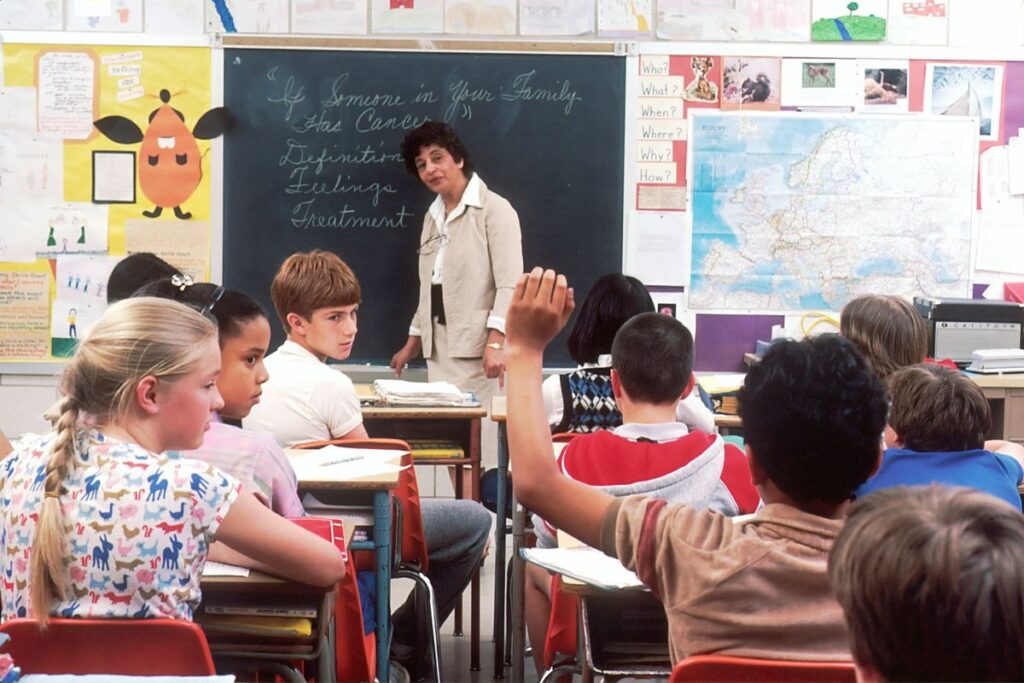
At the end of the day, the right SEL tools move beyond ticking boxes; they drive meaningful change. From fostering emotional resilience to improving academic outcomes, these tools help students develop the skills they need to succeed, both in and out of the classroom. They also make life easier for educators, offering actionable insights and saving valuable time.
When student wellbeing improves, the ripple effects are undeniable: calmer classrooms, stronger relationships, and a more positive school climate overall.
What’s clear is that no single tool works in isolation. Schools achieve sustainable success when technology and teacher expertise come together, making SEL an integral part of the school day. Think of it like building a puzzle; each tool, lesson, and interaction adds a piece, creating a complete picture of support for every student.
In 2025, the path forward is about intention and balance. Technology provides incredible opportunities to scale SEL efforts, but the heart of it all remains human connection.
Schools that thoughtfully integrate these tools into MTSS frameworks and focus on long-term goals will see the greatest impact.
What matters most is that SEL stands as a foundation for successful, supportive learning environments. With the right mix of innovation and care, schools can create environments where students feel seen, supported, and ready to succeed.